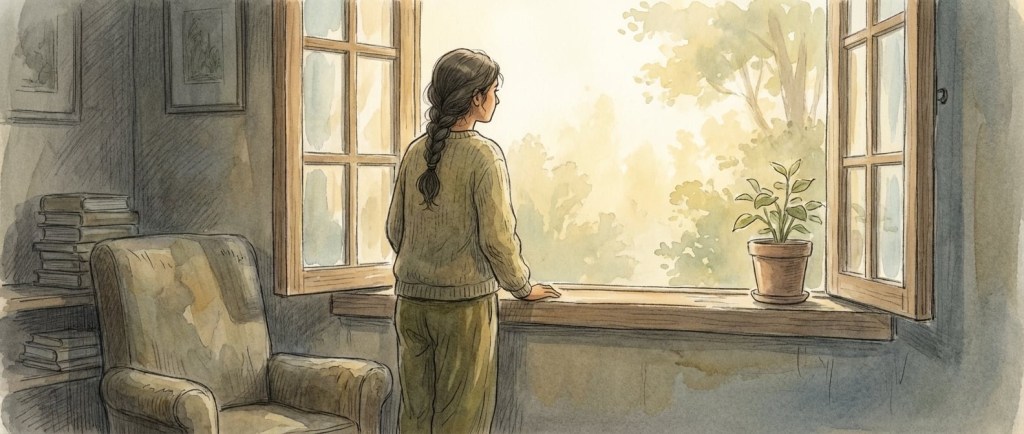
Life at Home Growing Up
Life at home growing up wasn’t easy. It was a tough road, but it also became one filled with lessons that shaped my adult life — even though I never planned far enough ahead to imagine I would one day become an adult with a family of my own.
To be brutally honest, for a long time I had only planned my life up to the point of finishing university. Getting my bachelor’s degree was the final goal I had set for myself — the last thing I wanted to achieve so I could leave on a high, having done something that made my parents proud. After university, I had planned to end my life.
But then I met someone online. I fell in love, and for the first time, I felt hope — hope for a future, for love, for something better. The relationship didn’t last through my final year at university, but it lit a small flame inside me. If I could find love once, I could find it again. That belief became my reason to keep going.
Returning Home After University
Looking back now, I know how fragile that hope was. I also know that building my entire future around finding a man sounds ridiculous — but desperation doesn’t think logically. I needed something to look forward to in order to survive the toxic environment I returned to after graduation.
People often ask why I moved back home after four years of freedom, studying in a city miles away. Why I didn’t settle in Birmingham, where I went to university. The truth is, despite the independence I tasted during term time, I wasn’t strong enough to defy my parents or the expectations placed on me.
My family never gave me the option to build a life in Birmingham beyond university. During every holiday, I was expected to return to London — even at Christmas, when my parents were away in India for their annual winter break. My eldest brother lived across the road from the family home and was tasked with keeping an eye on me. One Christmas, I slept in his front room for the entire holiday because my parents had rented out a bedroom in the house, and my brothers didn’t want me staying alone with a tenant.
The day after my final exam, my father sent my eldest brother to collect me and all my belongings and bring me back to London.
On top of that, my parents were living alone in the house, as all my siblings had moved out. They had promised me the family home as my inheritance, leaving me with very little choice but to return.
Searching for a Way Out
Dreaming of finding my soulmate became the light at the end of a very dark tunnel. I endured bullying from my sisters-in-law. I endured having no real life beyond work and being at home with my parents. I tolerated it all with the hope that love would be my escape.
In my twenties, marriage felt like the socially acceptable way out. When I signed up to matrimonial websites, my parents were happy — they believed I was following the path they had chosen for me.
I dated many men, but most couldn’t look past my skin condition, and those connections rarely made it beyond the first date. A few short-term relationships followed, but thankfully they didn’t last. Looking back, they were just as toxic as my family environment, and marriage with them would have been its own kind of prison.
I knew what I wanted because I had experienced it once before — kindness, respect, safety. I was willing to meet countless frogs in the hope of finding my prince.
Finding Strength in Small Freedoms
University had given me a small taste of freedom, and although my parents loosened their grip slightly, it was still limited. I wasn’t allowed to spend entire weekends out or use my own money freely, so I chose my battles carefully.
I joined a gym under the excuse that my best friend was getting married and I wanted to look good. I joined a weekly salsa class simply because I was curious — and because it was only one evening a week. Considering I was paying for almost everything in the house, including most of the bills, I felt I was entitled to that much.
Bit by bit, I built inner strength — quietly, carefully — until I met my husband.
Marriage and the Beginning of Real Change
Marriage didn’t bring peace straight away. In fact, that’s when the real rebellion began.
My husband was my biggest supporter. He saw how much I gave and how little I received in return. He witnessed the bullying, the control, the outdated Indian norms I lived under — and he hated it for me. Still, he stayed quiet for my sake.
What my family didn’t know was that my husband wasn’t a passive man. He wasn’t a ‘goody two-shoes’. He had been a troublemaker back in India, a player before he met me, and he was more than capable of standing up to my entire family if needed. But he loved me, and my happiness at the time meant keeping the peace.
At 29, I was still that little girl craving acceptance and unconditional love from her family. I wanted everyone to get along — and so my husband stayed silent.
Walking Away
Everything changed after weeks of relentless emotional abuse from my father. I broke down completely. That was the moment my husband snapped.
We packed a suitcase and left.
As we were leaving, my father threatened to report my husband for elderly abuse. My husband turned around and calmly told him that doing so would expose far more — including how my father had married his daughter to an Indian immigrant so he could be financially exploited and treated like a servant.
That silenced my father. My husband was the only full-time earner in the household, while I had reduced my hours due to health issues caused by prolonged stress.
Later, my husband apologised to me for what he had said. He knew I hadn’t married him for money or security — we married for love. But he explained that it was the only language my father understood.
Healing, Motherhood, and Breaking Cycles
It wasn’t until I left that house — and later became a mother — that healing truly began.
My family never taught me how I wanted to be. They taught me how I didn’t want to be, and how I didn’t want to raise my children.
When Maanvi was born, I was still at the beginning of a court case. I was a new mother with no guidebook, no family support, and no idea what I was doing. So I followed my instincts. I made mistakes. I learned as I went. But everything I did, I did with my daughter’s best interests at heart.
When Jiya came along, things felt a little easier — experience had taught me more than any advice ever could. But it wasn’t until the court case ended for good that I could finally breathe.
For the first time, I was able to live life on my own terms — and raise my daughters in a way that felt safe, loving, and free.Life at Home Growing Up
Life at home growing up wasn’t easy. It was a tough road, but it also became one filled with lessons that shaped my adult life — even though I never planned far enough ahead to imagine I would one day become an adult with a family of my own.
To be brutally honest, for a long time I had only planned my life up to the point of finishing university. Getting my bachelor’s degree was the final goal I had set for myself — the last thing I wanted to achieve so I could leave on a high, having done something that made my parents proud. After university, I had planned to end my life.
But then I met someone online. I fell in love, and for the first time, I felt hope — hope for a future, for love, for something better. The relationship didn’t last through my final year at university, but it lit a small flame inside me. If I could find love once, I could find it again. That belief became my reason to keep going.
Returning Home After University
Looking back now, I know how fragile that hope was. I also know that building my entire future around finding a man sounds ridiculous — but desperation doesn’t think logically. I needed something to look forward to in order to survive the toxic environment I returned to after graduation.
People often ask why I moved back home after four years of freedom, studying in a city miles away. Why I didn’t settle in Birmingham, where I went to university. The truth is, despite the independence I tasted during term time, I wasn’t strong enough to defy my parents or the expectations placed on me.
My family never gave me the option to build a life in Birmingham beyond university. During every holiday, I was expected to return to London — even at Christmas, when my parents were away in India for their annual winter break. My eldest brother lived across the road from the family home and was tasked with keeping an eye on me. One Christmas, I slept in his front room for the entire holiday because my parents had rented out a bedroom in the house, and my brothers didn’t want me staying alone with a tenant.
The day after my final exam, my father sent my eldest brother to collect me and all my belongings and bring me back to London.
On top of that, my parents were living alone in the house, as all my siblings had moved out. They had promised me the family home as my inheritance, leaving me with very little choice but to return.
Searching for a Way Out
Dreaming of finding my soulmate became the light at the end of a very dark tunnel. I endured bullying from my sisters-in-law. I endured having no real life beyond work and being at home with my parents. I tolerated it all with the hope that love would be my escape.
In my twenties, marriage felt like the socially acceptable way out. When I signed up to matrimonial websites, my parents were happy — they believed I was following the path they had chosen for me.
I dated many men, but most couldn’t look past my skin condition, and those connections rarely made it beyond the first date. A few short-term relationships followed, but thankfully they didn’t last. Looking back, they were just as toxic as my family environment, and marriage with them would have been its own kind of prison.
I knew what I wanted because I had experienced it once before — kindness, respect, safety. I was willing to meet countless frogs in the hope of finding my prince.
Finding Strength in Small Freedoms
University had given me a small taste of freedom, and although my parents loosened their grip slightly, it was still limited. I wasn’t allowed to spend entire weekends out or use my own money freely, so I chose my battles carefully.
I joined a gym under the excuse that my best friend was getting married and I wanted to look good. I joined a weekly salsa class simply because I was curious — and because it was only one evening a week. Considering I was paying for almost everything in the house, including most of the bills, I felt I was entitled to that much.
Bit by bit, I built inner strength — quietly, carefully — until I met my husband.
Marriage and the Beginning of Real Change
Marriage didn’t bring peace straight away. In fact, that’s when the real rebellion began.
My husband was my biggest supporter. He saw how much I gave and how little I received in return. He witnessed the bullying, the control, the outdated Indian norms I lived under — and he hated it for me. Still, he stayed quiet for my sake.
What my family didn’t know was that my husband wasn’t a passive man. He wasn’t a ‘goody two-shoes’. He had been a troublemaker back in India, a player before he met me, and he was more than capable of standing up to my entire family if needed. But he loved me, and my happiness at the time meant keeping the peace.
At 29, I was still that little girl craving acceptance and unconditional love from her family. I wanted everyone to get along — and so my husband stayed silent.
Walking Away
Everything changed after weeks of relentless emotional abuse from my father. I broke down completely. That was the moment my husband snapped.
We packed a suitcase and left.
As we were leaving, my father threatened to report my husband for elderly abuse. My husband turned around and calmly told him that doing so would expose far more — including how my father had married his daughter to an Indian immigrant so he could be financially exploited and treated like a servant.
That silenced my father. My husband was the only full-time earner in the household, while I had reduced my hours due to health issues caused by prolonged stress.
Later, my husband apologised to me for what he had said. He knew I hadn’t married him for money or security — we married for love. But he explained that it was the only language my father understood.
Healing, Motherhood, and Breaking Cycles
It wasn’t until I left that house — and later became a mother — that healing truly began.
My family never taught me how I wanted to be. They taught me how I didn’t want to be, and how I didn’t want to raise my children.
When Maanvi was born, I was still at the beginning of a court case. I was a new mother with no guidebook, no family support, and no idea what I was doing. So I followed my instincts. I made mistakes. I learned as I went. But everything I did, I did with my daughter’s best interests at heart.
When Jiya came along, things felt a little easier — experience had taught me more than any advice ever could. But it wasn’t until the court case ended for good that I could finally breathe.
For the first time, I was able to live life on my own terms — and raise my daughters in a way that felt safe, loving, and free.
Discover more from Breaking Free
Subscribe to get the latest posts sent to your email.
 Breaking Free