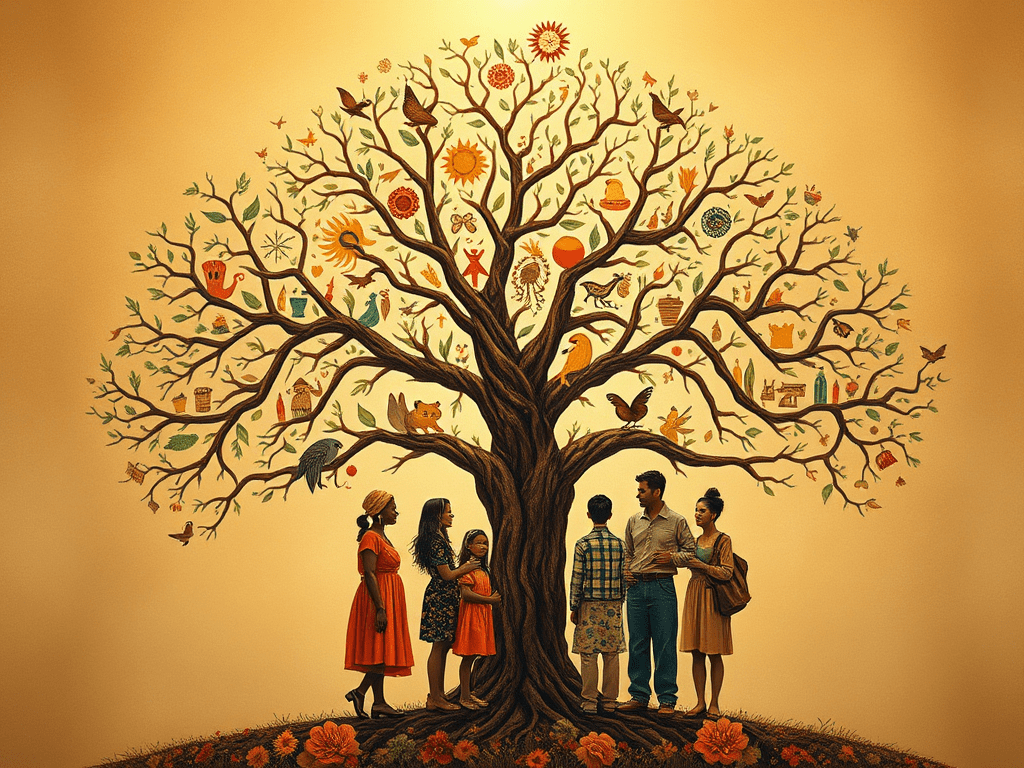
Generational trauma is more common than we realize. It’s the emotional and behavioral baggage passed down through families, often without anyone fully understanding its impact. It can come from various sources—abuse, neglect, addiction—and subtly shape how families function, sometimes for generations.
As someone who has lived through the effects of generational trauma, I know firsthand how hard it is to break the cycle. But I also know it’s possible, and the effort is worth it.
What Is Generational Trauma?
Generational trauma refers to patterns of toxic behavior and emotional responses passed from one generation to the next. These can manifest in:
• Emotional Dysregulation: Struggling to manage anger, anxiety, or depression.
• Relationship Challenges: Difficulty forming healthy connections.
• Low Self-Esteem: Persistent feelings of inadequacy.
• Addiction and Abuse: Repeating cycles of harmful behavior.
For me, these patterns played out in my family in different ways. Growing up, I witnessed the emotional weight of my dad’s narcissism. He praised his children only when they succeeded in ways that reflected well on him. If we failed, he labeled us as “useless” or “spineless.” My older sister, who shared his business acumen, was his golden child. My brothers, with their different dreams, were dismissed.
The toxic cycle didn’t stop with us siblings. As I watched my brothers raise their own children, I saw the same harmful patterns repeating—one neglectful, the other harshly authoritarian. My sister, in her own way, continued the cycle by sending her daughter away to India, creating a relationship void that never fully healed.
How Generational Trauma Affects Families
When families are caught in the grip of generational trauma, it often creates an environment where toxic behaviors seem normal. Children learn these patterns as coping mechanisms or internalize them as part of their identity, unintentionally passing the pain to the next generation.
In my family, I saw how the lack of healthy parenting shaped all of us. My brothers carried neglect and physical punishment into their own parenting. My sister prioritized work over her child. These cycles left scars that could easily have continued with me—but I knew from a young age I had to change things.
Breaking the Cycle
Healing generational trauma isn’t easy, but it’s possible with awareness, effort, and support. Here are some strategies that helped me break the cycle:
1. Awareness and Acknowledgment
Recognizing toxic patterns is the first step. As a teenager, I began to notice the dysfunction in my family. I promised myself that, if I became a parent, I wouldn’t let my kids feel ignored or unloved the way I had.
For example, I learned from my eldest brother to prioritize my children’s needs over my own social life. From my other brother, I knew physical punishment was not the answer. From my sister, I understood the importance of building a close relationship with my children.
2. Seeking Professional Help
Therapy can be life-changing. It was for me. In my teens, I struggled with depression and suicidal thoughts, which led to my school arranging therapy. For the first time, I had a safe space to process my emotions. Therapy helped me develop healthier coping mechanisms and gave me the tools to face my family’s toxic dynamics without carrying them forward.
3. Open Communication
Growing up, communication in my family was nonexistent. Opinions weren’t welcome, and emotions were stifled. In my own family, my husband and I made a pact to communicate openly—with each other and our daughters.
It hasn’t always been easy, especially during conflicts, but I’ve found ways to express myself. Sometimes, I write down my feelings when speaking them is too hard. By modeling open communication, we’re teaching our daughters to voice their thoughts and emotions without fear.
4. Setting Healthy Boundaries
Boundaries are essential to protect yourself from toxic influences. As the youngest sibling, I grew up watching my family from a distance. This separation gave me clarity and protected me from adopting their behaviors. Now, I’ve set clear boundaries with my extended family to protect my mental well-being.
5. Education and Self-Reflection
Learning about generational trauma has been a key part of my healing journey. I’ve reflected deeply on how my childhood shaped me, and I’ve worked to unlearn harmful patterns. As a parent, I’ve trusted my instincts and leaned into the love and support I wanted so desperately as a child.
Moving Forward
Breaking the cycle of generational trauma is a lifelong journey. It requires patience, empathy, and the courage to confront painful truths. But it’s also deeply rewarding.
As a mom of two amazing daughters, I see every day how the effort has paid off. I’ve created a loving, supportive environment for my girls—one where they feel seen, valued, and safe. While challenges remain, I know I’ve broken the cycle.
If you’re working to overcome generational trauma, know this: change is possible. With awareness, support, and determination, you can rewrite your family’s story and create a brighter future.
Final Thoughts
Generational trauma doesn’t have to define you or your family. By recognizing the patterns and making intentional choices, you can be the change your family needs.
What’s your experience with generational trauma? Share your thoughts or journey in the comments below. Let’s heal together.
Discover more from Breaking Free
Subscribe to get the latest posts sent to your email.
 Breaking Free